
Michigan Foreclosure Help Guide-Facing Foreclosure? It's Not The End of the World by Richard Stewart Kalamazoo Realtor
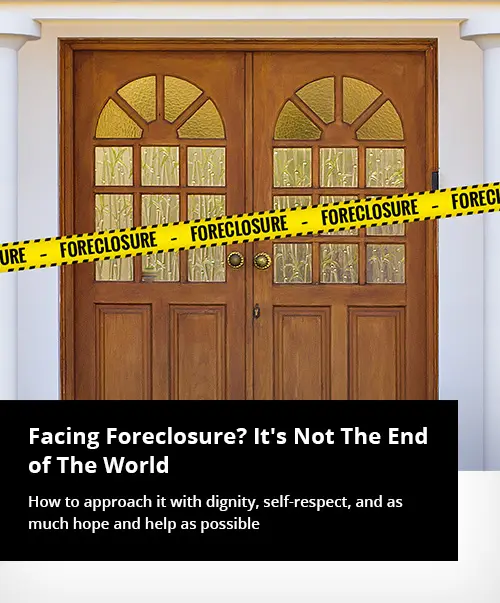

If you are behind on payments, getting legal notices, or worried about losing your home, take a breath.
Foreclosure is serious, but it does not always mean you are out of options. Depending on your situation, there may still be time to speak with your lender, explore assistance, understand your rights, calculate your equity, and make a more informed next move.
Richard Stewart created this guide to help Michigan homeowners approach foreclosure with dignity, clarity, and practical information. The goal is simple: help you protect as much of your future, your options, and your equity as possible.
Serving Kalamazoo and Michigan Homeowners
This guide is especially relevant for homeowners in Kalamazoo, Portage, Battle Creek, Plainwell, Paw Paw, Schoolcraft, Vicksburg, Three Rivers, and throughout Michigan who want to understand foreclosure options, equity preservation, short sales, distressed property decisions, and possible next steps before a sheriff sale or other major deadline.
Table of Contents
- Preface
- Fast-forward through the “stages”
- You’re not the “bad guy”
- Did the “fat lady sing”?
- Look for assistance
- Avoid these “solutions”
- Don’t avoid this type of mail
- Try speaking with your lender
- If you have enough equity
- Should you sell it short?
- Know your worth
- If you will have to move
- Don’t do damage
- Consult with an attorney
- This might also be helpful to you
1. Preface
Facing foreclosure is deeply personal. Many people do not want anyone to know what they are going through, which can make an already painful situation feel even heavier. It can feel like every letter, phone call, or knock at the door is another problem demanding attention.
You may feel isolated, embarrassed, or unsure who to trust. That is normal. But you are not alone, and you are not the first good person to go through this.
This guide is meant to give you some practical direction and emotional perspective so you can approach foreclosure with dignity, self-respect, and as much hope and help as possible.
2. Fast-forward through the “stages”
Many homeowners facing foreclosure go through emotions similar to grief: denial, anger, depression, and acceptance. Those feelings are understandable, but the faster you move toward acceptance and action, the better your chances of improving the outcome.
Denial: Do not stay there too long. Delay can make the problem harder to solve.
Anger: Feel it, but do not let it turn into paralysis or bad decisions.
Depression: A hard day is human. Ongoing hopelessness deserves support and attention.
Acceptance: This is where progress begins. Acceptance does not mean giving up. It means engaging the problem before it gets worse.
3. You’re not the “bad guy”
Most people facing foreclosure did not deliberately create the hardship. Job loss, reduced income, medical bills, family disruption, and large unexpected repairs can push even responsible homeowners into distress.
Shame can make people freeze. Anger can make them lash out. Neither helps. The productive move is to stop labeling yourself and start focusing on solutions, documentation, support, timing, and realistic next steps.
4. Did the “fat lady sing”?
Foreclosure can feel final long before it actually is. In many cases, there may still be time to act, communicate, sell, negotiate, or explore alternatives. That does not mean you should relax. It means you should move quickly and wisely.
Until the process is truly over, your story may still be in motion. How you respond now can affect how it ends.
5. Look for assistance
If you are facing foreclosure or think you may be headed in that direction, begin researching reputable assistance immediately. Official programs may offer help depending on your hardship and loan situation.
Start with HUD-approved resources and other recognized programs. Keep records of what you apply for, who you speak with, and what deadlines or documents are involved.
6. Avoid these “solutions”
Homeowners in distress are often targeted by people promising fast relief. Some are legitimate. Some are not. Be careful with any offer that sounds too easy, too urgent, or too good to be true.
- cash offers at steep discounts
- sale-and-rent-back promises
- pressure to sign immediately
- claims that a short sale is your only option
Before agreeing to anything, understand your home’s likely market value and whether you may have equity that deserves protection.
7. Don’t avoid this type of mail
Ignore scammy solicitations, but do not ignore letters from your lender, servicer, attorney, or the court. Open them promptly. Track dates. Save copies. Organize everything.
A missed deadline can cost you options you otherwise might have had.
8. Try speaking with your lender
Contact your lender as early as possible if you are falling behind or expect trouble ahead. Even when lenders are slow to offer solutions, it still helps to document that you reached out and attempted to work with them.
In some situations, there may be repayment plans, modification discussions, or other avenues worth exploring.
9. If you have enough equity
Equity is the difference between what you owe and what the property is worth. Many homeowners in distress still have meaningful equity, but delay too long and risk losing it.
If foreclosure appears unavoidable, selling before it is too late may allow you to protect value, preserve cash, and make a stronger fresh start.
Pro tip: price realistically. You do not want to give the house away, but you also do not want to aim so high that the property sits while deadlines close in.
10. Should you sell it short?
If you owe more than the property can sell for, a short sale may be an alternative to foreclosure. It requires lender approval and should be approached carefully.
Short sales are not always necessary, and they are not always smooth. Before going down that road, make sure the value is understood correctly and that you have qualified real estate and legal guidance.
11. Know your worth
One of the biggest mistakes distressed homeowners make is relying too heavily on automated online valuations. Those systems do not truly understand condition, updates, deferred maintenance, local buyer demand, or neighborhood nuance.
Before making a major decision, get an objective market analysis from a knowledgeable local real estate expert. Guessing wrong can cost you thousands.
12. If you will have to move
If it looks like relocation may become necessary, start planning early. Renting, temporary housing, or buying another place may all be harder later if your credit deteriorates further.
The earlier you plan, the more choices you are likely to have.
13. Don’t do damage
Stress can make people act out, but damaging a property before leaving can create legal and financial problems on top of everything else. Protect yourself by staying in control and leaving the property intact.
14. Consult with an attorney
Foreclosure, short sales, deficiency balances, bankruptcy issues, and redemption rights can all have legal consequences. A qualified attorney can help you understand your rights, deadlines, and exposure.
Even one good consultation may help you make a much smarter next move.
15. This might also be helpful to you
If this guide helps you think more clearly about your situation, that is exactly why it exists. And if you want help understanding what your house may be worth, whether you may still have equity, or whether selling might help you avoid a worse outcome, reach out directly.
You can also request Richard Stewart’s Ultimate Home Seller’s Guide for more help understanding how to maximize your sale price and protect your next move.
Talk to Richard Stewart About Your Foreclosure Options
Richard Stewart is a trusted expert with 25+ years of experience specializing in AS-IS real estate transactions, fast home sales, distressed property sales, investor properties, and maximizing seller returns regardless of condition.
If you are facing foreclosure in Kalamazoo or anywhere in Michigan, Richard can help you better understand likely market value, possible equity, timing pressure, and practical real estate options.
Important Disclosure: This content is for general informational purposes only and does not constitute legal, tax, credit, bankruptcy, or financial advice. Homeowners facing foreclosure should consult a qualified foreclosure attorney, HUD-approved housing counselor, tax professional, or other licensed advisor regarding their specific situation.
Copyright Notice: This web page is adapted from Richard Stewart’s foreclosure booklet for educational publishing and homeowner outreach.
Categories
Recent Posts


"My job is to find and attract mastery-based agents to the office, protect the culture, and make sure everyone is happy! "